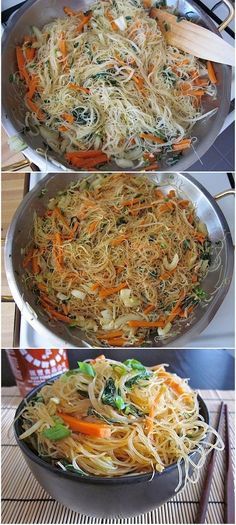
Curry Powder & Beyond: The Signature Flavors of Singapore Noodles
Few dishes capture the imagination and tantalize the taste buds quite like Singapore Noodles. With its vibrant yellow hue, aromatic curry scent, and delightful medley of textures, this stir-fried vermicelli dish has become a beloved staple on Chinese restaurant menus worldwide. But what exactly gives Singapore Noodles their unmistakable character, and how did this globally popular dish come to be?
At its core, Singapore Noodles (often known as Singapore Mei Fun) is a dynamic stir-fry featuring thin rice vermicelli, often loaded with an impressive array of vegetables, succulent proteins like shrimp and Chinese BBQ pork (char siu), and scrambled eggs. While its name might suggest otherwise, this culinary gem has a fascinating origin story that doesn't actually begin in Singapore – a detail that often surprises many aficionados. Instead, it's a testament to the cross-cultural inventiveness of Chinese cuisine, particularly thriving in places like Hong Kong and beyond.
Beyond its curious nomenclature, the true magic of Singapore Noodles lies in its meticulously balanced flavors and incredible versatility. It's a dish that promises a satisfying and flavorful experience, whether you're a seasoned chef or a home cook looking for a quick and rewarding meal.
The Heart of the Flavor: Unpacking Curry Powder's Role
The moment a plate of Singapore Noodles arrives, your senses are immediately engaged by its striking golden color and the warm, inviting aroma. This signature appeal is overwhelmingly thanks to one star ingredient: curry powder. Far from being a mere coloring agent, curry powder is the backbone of the dish's flavor profile, imparting a distinctive warmth, depth, and a subtle yet complex spice.
- Beyond the Yellow Hue: A Symphony of Spices: Standard curry powder is typically a blend of turmeric, coriander, cumin, fenugreek, and various chili powders, sometimes including ginger, garlic, and mustard seeds. Turmeric is responsible for the iconic yellow color, but the combination of these spices creates a harmonious medley of earthy, sweet, and pungent notes that are instantly recognizable. Depending on the specific blend, curry powder can range from mild and aromatic to intensely fiery, allowing for subtle customization of the dish's heat level. The quality and freshness of your curry powder can significantly impact the final taste, so choosing a good blend is crucial for authentic flavor.
- The Tangy-Sweet Twist: While curry powder provides the primary flavor, many exceptional Singapore Noodles recipes introduce another layer of complexity. Some culinary experts, for instance, incorporate a touch of ketchup and rice vinegar. This seemingly unconventional addition provides a delightful sweet and tangy counterpoint to the savory spices of the curry, elevating the dish from merely good to truly outstanding. It's this nuanced interplay of sweet, sour, savory, and spicy that makes Singapore Noodles so incredibly addictive. Furthermore, a good quality soy sauce forms the umami foundation, tying all these diverse elements together into a cohesive and mouthwatering experience.
A Canvas of Culinary Creativity: Versatility in Every Bite
One of the most celebrated aspects of Singapore Noodles is its remarkable versatility. This isn't just a recipe; it's a template for culinary creativity, easily adaptable to suit individual tastes, dietary preferences, and whatever ingredients you happen to have on hand. This flexibility is a significant reason for its enduring global popularity.
- Protein Powerhouses: From Shrimp to Char Siu: The classic rendition of Singapore Noodles often features a dynamic duo of large, plump shrimp and strips of savory Chinese BBQ pork, known as char siu. The shrimp provides a delicate sweetness and tender texture, while the char siu offers a rich, slightly sweet, and robust counterpoint. However, the dish is incredibly accommodating to other proteins. Juicy strips of chicken breast, thinly sliced beef, or even crispy fried tofu are all fantastic and popular options. For those who enjoy a variety, combining two or more proteins can add even more depth and texture to your stir-fry.
- Vegetable Vibrancy: More Than Just Cabbage and Carrots: While shredded cabbage and julienned carrots are traditional staples, providing a pleasing crunch and earthy sweetness, the vegetable options are virtually limitless. Think crisp red bell peppers for color and a sweet pepperiness, snow peas for a vibrant green snap, earthy mushrooms, tender bean sprouts, or even bok choy. Incorporating a diverse array of vegetables not only enhances the nutritional value but also adds layers of flavor, texture, and visual appeal, transforming each forkful into an exciting exploration.
- Dietary Adaptability: Vegetarian, Vegan, and Beyond: The inherent versatility of Singapore Noodles makes it incredibly easy to tailor for various dietary needs. For a delicious vegetarian version, simply omit the meat and load up on extra vegetables and firm tofu, which readily absorbs the aromatic curry sauce. To make it vegan, ensure no eggs are used, opt for plant-based proteins, and confirm that your curry powder and sauces are vegan-friendly. This adaptability underscores why Singapore Noodles has found a place on so many different tables across the globe. For more ideas on how to customize your perfect bowl, check out our guide on Quick & Easy Singapore Noodles: Customize Your Perfect Stir-Fry.
The Curious Case of Singapore Noodles' Origin
Perhaps one of the most intriguing facts about Singapore Noodles is its name. Despite its clear geographical reference, this dish did not, in fact, originate in Singapore and is notoriously difficult to find in the city-state itself. This often comes as a surprise to those enjoying its delicious flavors in Chinese restaurants across the United States, Europe, and other parts of the world.
The prevailing theory suggests that Singapore Noodles likely originated in Hong Kong, developed in Cantonese restaurants as a creative fusion dish. It’s a testament to the innovation of Chinese chefs who, throughout history, have skillfully adapted local ingredients and tastes to traditional cooking methods. The "Singapore" moniker might have been added to evoke an exotic, cosmopolitan flair, appealing to diners seeking something new and exciting. It's a classic example of a dish becoming globally recognized under a name that belies its true geographical birthplace. To dive deeper into this fascinating culinary mystery, explore Decoding Singapore Noodles: Why This Popular Dish Isn't From Singapore.
Mastering the Stir-Fry: Tips for Perfect Singapore Noodles
While the list of ingredients for Singapore Noodles is impressive, the key to an exceptional dish lies not just in the components, but in the technique. Achieving that perfect balance of textures and flavors requires knowing how to stir-fry them properly and efficiently.
- Noodle Prep: The Foundation of Success: The thin rice vermicelli noodles are delicate and can easily become mushy if overcooked. The ideal method is to soak them in hot water (not boiling) until pliable, rather than boiling them vigorously. They should still have a slight al dente bite when added to the wok, as they will continue to cook during the stir-frying process. Proper preparation ensures they absorb the sauce beautifully without clumping.
- Wok Hei: Achieving That Smoky Flavor: The secret to truly restaurant-quality stir-fries, including Singapore Noodles, is often attributed to "wok hei" – the elusive "breath of the wok." This unique smoky aroma and flavor develop from cooking ingredients rapidly over intensely high heat in a well-seasoned wok. To achieve this at home, ensure your wok (or large skillet) is searing hot before adding oil, and work in batches if necessary to avoid overcrowding, which can lower the temperature and steam the ingredients instead of stir-frying them.
- Balancing Act: Flavors and Textures: The beauty of Singapore Noodles is its harmonious blend of savory, sweet, tangy, and spicy notes, coupled with a delightful interplay of soft noodles, tender proteins, and crisp-tender vegetables. To maintain this balance, add ingredients in the proper order, starting with those that require longer cooking times (like tougher vegetables or proteins) and finishing with quicker-cooking items (like shrimp, pre-cooked char siu, and the noodles themselves). Season gradually and taste as you go, adjusting the soy sauce, curry powder, and the optional sweet-tangy elements to your preference. Remember, a quick and efficient stir-fry is key to preserving the vibrant colors and distinct textures of your ingredients.
- Mise en Place is Your Best Friend: Because stir-frying is such a rapid process, having all your ingredients prepped, chopped, and measured before you even turn on the heat is paramount. This technique, known as "mise en place," ensures a smooth cooking experience and prevents any ingredients from burning while you're scrambling for the next item.
From its vibrant visual appeal to its complex and satisfying taste, Singapore Noodles offers a truly unique culinary experience. The humble curry powder, combined with a symphony of fresh ingredients and masterful stir-frying techniques, transforms simple vermicelli into a dish that's both comforting and exciting. Whether you're making it at home or ordering it from your favorite Chinese eatery, take a moment to savor the layers of flavor and appreciate the rich, albeit mysterious, heritage of this beloved global dish.
