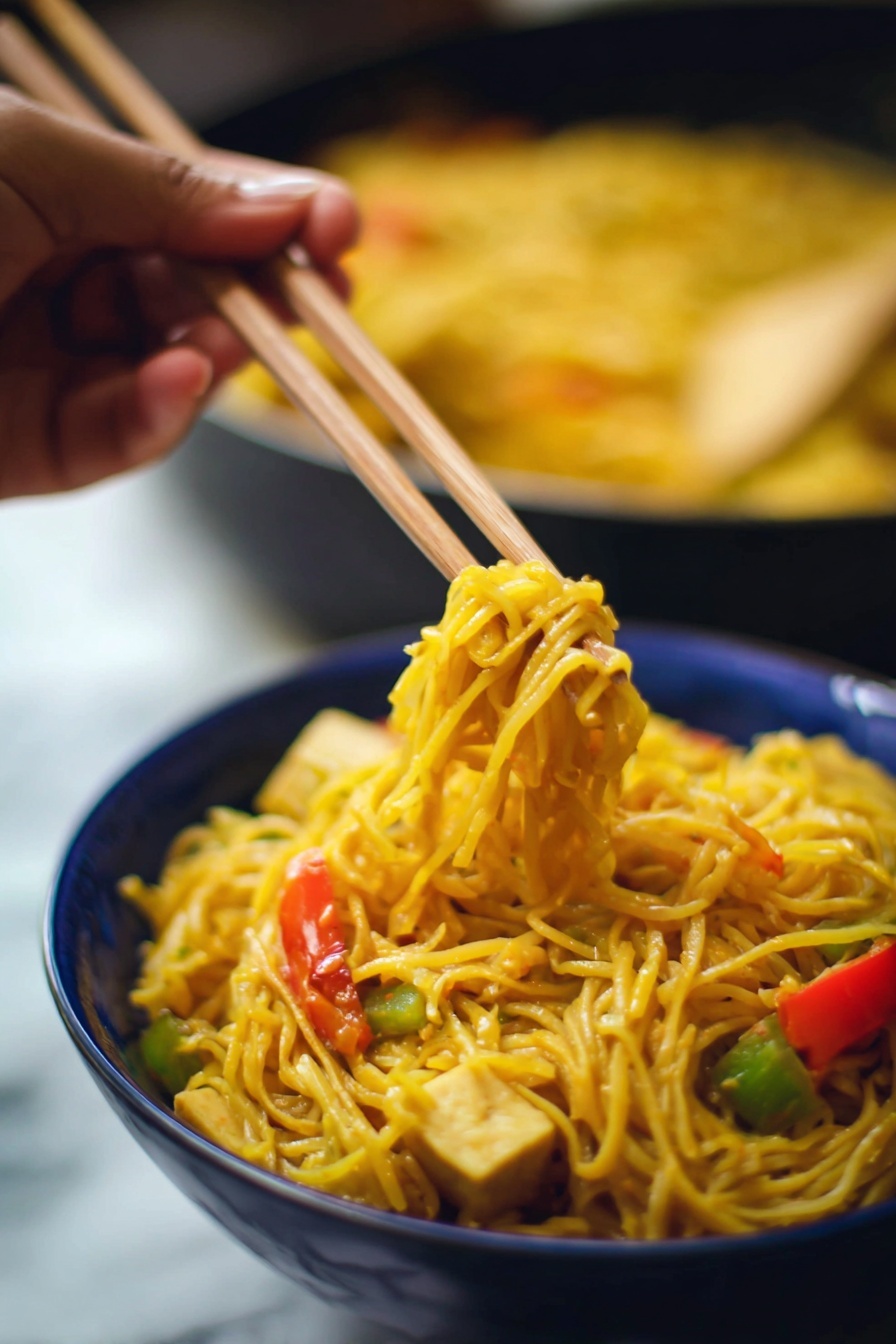
Quick & Easy Singapore Noodles: Customize Your Perfect Stir-Fry
Craving a dish that’s bursting with vibrant flavors, satisfying textures, and endless possibilities for customization? Look no further than
Singapore Noodles. This beloved stir-fry, known for its distinctive yellow hue and aromatic curry essence, is a staple on Chinese restaurant menus worldwide. But don't let its restaurant-quality taste intimidate you; whipping up a batch of delicious Singapore Noodles at home is surprisingly quick and easy, making it an ideal choice for a busy weeknight meal or a creative culinary adventure.
At its heart, Singapore Noodles is a dynamic symphony of thin rice vermicelli, tender proteins, crisp vegetables, and scrambled egg strips, all harmoniously coated in a savory, curry-infused sauce. What truly sets this dish apart, beyond its undeniable deliciousness, is its incredible adaptability. Whether you’re a devout meat-eater, a committed vegetarian, or simply looking to clear out your fridge, Singapore Noodles offers a culinary canvas ready for your personal touch.
The Allure of Singapore Noodles: A Symphony of Flavors and Textures
Imagine delicate, slippery rice vermicelli, each strand imbued with the warm, complex notes of curry powder. This is the hallmark of
Singapore Noodles, or *Singapore Mei Fun* as it's often known in Chinese communities. The generous application of curry powder not only imparts its signature yellow color but also delivers a depth of flavor that is both exotic and comforting. While curry powder forms the foundational spice, many recipes elevate the experience with a clever addition of ketchup and rice vinegar, introducing a subtle sweet and tangy counterpoint that brightens the entire dish.
Beyond the captivating curry, this stir-fry offers a delightful interplay of textures. You'll typically find succulent large shrimp, adding a burst of oceanic sweetness, alongside delicate ribbons of scrambled egg that contribute a subtle richness. The vegetable component is crucial, providing essential crunch and freshness. Common additions include finely shredded cabbage and julienned carrots, which soften slightly while retaining a pleasant bite. This thoughtful combination of tender noodles, savory proteins, and crisp vegetables creates a truly satisfying and enjoyable eating experience with every forkful. The beauty lies in the careful balance – no single element overwhelms, allowing each ingredient to shine while contributing to a cohesive, mouthwatering whole.
Understanding the Core Ingredients:
- Rice Vermicelli (Mei Fun): The thin, translucent noodles are the backbone, absorbing the sauce beautifully.
- Curry Powder: The defining flavor and color agent. Its quality significantly impacts the final taste.
- Proteins: Commonly shrimp and scrambled egg, but highly customizable.
- Vegetables: Cabbage and carrots are classic, but the possibilities are vast.
- Sauce Base: Often a blend of soy sauce, a touch of sugar, and sometimes the aforementioned ketchup and rice vinegar for that sweet-tangy kick.
Customization is King: Crafting Your Perfect Singapore Noodles
One of the most compelling reasons for the enduring popularity of
Singapore Noodles is its unparalleled versatility. This isn't just a recipe; it's a template for culinary creativity. The dish is incredibly forgiving and readily embraces a wide array of ingredients, allowing you to tailor it precisely to your palate, dietary preferences, or even just what you happen to have in your pantry.
Choosing Your Proteins:
You're not limited to just shrimp and egg. Singapore Noodles welcomes a variety of protein sources, making it a fantastic way to use up leftovers or explore new flavors:
- Chinese BBQ Pork (Char Siu): A classic addition, offering a sweet, savory, and slightly smoky dimension. Its vibrant red hue also adds visual appeal.
- Chicken Breast/Thigh: Sliced thinly or diced, chicken cooks quickly and absorbs the curry flavors wonderfully.
- Beef: Thinly sliced steak (like flank or sirloin) can be a robust addition. Marinate it briefly for extra tenderness.
- Tofu: For a vegetarian or vegan option, firm or extra-firm tofu, pressed and pan-fried until golden, provides a fantastic textural and protein boost. Fried tofu puffs are also excellent.
- More Seafood: Scallops or calamari rings can complement the shrimp beautifully.
Enhancing with Vegetables:
Beyond cabbage and carrots, nearly any stir-fry friendly vegetable can find a happy home in your Singapore Noodles:
- Bell Peppers: Red, yellow, or orange bell peppers add sweetness, color, and a satisfying crunch.
- Bean Sprouts: Tossed in at the very end, they provide a fresh, crisp texture.
- Snow Peas or Snap Peas: For a sweet, green crunch.
- Bok Choy or Gai Lan: Sliced and quickly stir-fried, they add a touch of bitterness and earthy greens.
- Mushrooms: Sliced shiitake, cremini, or oyster mushrooms add an umami depth.
- Onions/Scallions: Essential aromatics that build the flavor base.
For a completely vegetarian version, simply omit the meat and increase the variety and quantity of vegetables and tofu. This flexibility makes Singapore Noodles a go-to dish for meal prep or for accommodating various dietary needs at the dinner table. It’s truly a dish that invites you to be the chef, experimenting with combinations until you discover your ultimate personalized stir-fry.
The Great Origin Mystery: Why Singapore Noodles Isn't From Singapore
Here's a fascinating twist that often surprises people: despite its name,
Singapore Noodles did not originate in Singapore, nor is it a dish commonly found there. This popular Chinese restaurant staple, prevalent in the United States and many other countries, is a culinary enigma wrapped in a delicious riddle. The irony is quite profound – you'd be hard-pressed to find "Singapore Noodles" on a menu in its namesake city.
So, where did it come from then? The exact origins remain a subject of debate among culinary historians and food enthusiasts. Some theories point to Hong Kong as its birthplace, where resourceful chefs might have created the dish to appeal to a broader international clientele, perhaps borrowing the exotic-sounding "Singapore" to add a touch of perceived foreign mystique. Other suggestions include Malaysia. Regardless of its precise genesis, it's clear that this dish emerged from the creative fusion and adaptation that often characterize Chinese diaspora cuisine, evolving to suit local tastes and available ingredients.
This intriguing discrepancy highlights how culinary names can sometimes be more about marketing and perception than strict geographical accuracy. The name "Singapore Noodles" likely conjured images of vibrant, exotic Asian flavors for diners outside of Southeast Asia, contributing to its widespread appeal and adoption. For a deeper dive into this fascinating culinary mystery, explore
Decoding Singapore Noodles: Why This Popular Dish Isn't From Singapore.
Mastering the Stir-Fry: Tips for Quick & Easy Singapore Noodles at Home
One of the greatest appeals of
Singapore Noodles, beyond its flavor and versatility, is how quickly it comes together. With a little preparation, you can have a steaming plate of this aromatic stir-fry ready in as little as 15 minutes of actual cooking time. The key to a successful and stress-free stir-fry lies in good technique and thoughtful organization.
1. Mise en Place is Paramount:
Before you even think about turning on the heat, have *all* your ingredients prepped and ready. This means:
- Soaking your rice vermicelli according to package directions (they usually only need a quick soak in hot water, not boiling).
- Slicing all your proteins and vegetables.
- Whisking your eggs.
- Mixing your sauce components in a separate bowl.
Stir-frying is fast-paced, and you won't have time to chop or measure once the wok is hot.
2. The Noodle Nitty-Gritty:
Ensure your rice vermicelli is perfectly prepared. They should be pliable but still have a slight bite, not mushy. Once soaked, drain them thoroughly and perhaps even snip them with kitchen shears a few times to make them easier to manage in the wok and eat.
3. High Heat is Your Friend:
A proper stir-fry demands a very hot wok or large skillet. This creates that desirable "wok hei" (breath of the wok) flavor and ensures ingredients cook quickly and evenly without steaming.
4. Layering Ingredients for Success:
Don't overcrowd your pan. Cook ingredients in batches if necessary, especially proteins. Generally, follow this order:
- Aromatics: Sauté minced garlic, ginger, and sliced onions first to build the flavor base.
- Harder Proteins: Cook chicken, beef, or shrimp until almost done, then remove them from the pan.
- Harder Vegetables: Add carrots, cabbage, or bell peppers and stir-fry for a couple of minutes until slightly tender-crisp.
- Curry Powder: Push vegetables to one side, add a little more oil, and "bloom" the curry powder in the hot oil for about 30 seconds. This intensifies its flavor and aroma. For more insights into this star ingredient, check out Curry Powder & Beyond: The Signature Flavors of Singapore Noodles.
- Softer Proteins/Vegetables: Reintroduce cooked proteins, add softer vegetables (like bean sprouts), and the scrambled egg strips.
- Noodles and Sauce: Finally, add the drained rice vermicelli and pour in your pre-mixed sauce. Toss everything vigorously to coat evenly.
5. The Final Toss:
Toss continuously until everything is well combined and heated through. Taste and adjust seasonings – a little more soy sauce, a pinch of sugar, or a dash of chili oil can make all the difference. Serve immediately, perhaps with a garnish of fresh cilantro or extra scallions.
Following these tips will not only make your home-cooked Singapore Noodles taste authentic and delicious but also demonstrate just how easy and efficient this vibrant dish can be to prepare, even for the busiest home cooks.
Conclusion
Singapore Noodles truly embodies the spirit of adaptable, flavorful, and quick home cooking. Despite its mysterious origins outside of Singapore, its global appeal is undeniable, thanks to its vibrant curry flavor, satisfying medley of textures, and incredible customization potential. Whether you stick to the classic combination of shrimp, char siu, and crisp vegetables or venture into your own unique protein and veggie pairings, this rice vermicelli stir-fry offers a delightful culinary journey. It’s a perfect solution for busy individuals or families seeking a delicious, wholesome meal that can be on the table in minutes. So, gather your ingredients, fire up your wok, and get ready to customize your perfect plate of quick and easy Singapore Noodles – a dish that proves good food doesn't have to be complicated.